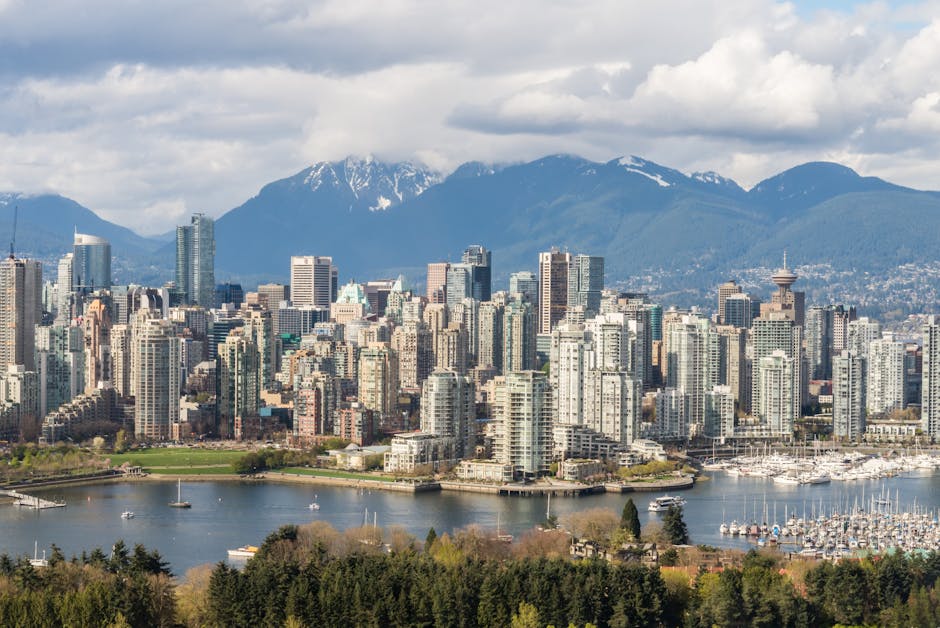
Vancouver has long been a hub for film and television production, with its stunning locations and skilled crews attracting big-budget projects from Hollywood and beyond. But in recent years, the city has evolved as a leader in immersive media, leveraging cutting-edge technologies to create a new generation of interactive experiences. This transformation is powered by sophisticated digital tools such as virtual production and real-time visualization, methods once confined to high-end visual effects (VFX) and animation studios but now expanding into broader realms of virtual reality (VR) and augmented reality (AR).
In this post, we'll explore the kinds of immersive experiences being developed in Vancouver, unpack the technologies behind them, and highlight how the city's flourishing game, VFX, and animation sectors form a synergistic ecosystem driving this evolution.
Digitizing Film and TV Workflows: How Vancouver Embraces Virtual Production
At the heart of Vancouver's immersive media push is the digitization of film and TV workflows. Traditional filmmaking involved shooting on location or on physical sets, with visual effects added in post-production. But with virtual production, much of the environment is created digitally in real time, blurring the boundaries between shooting and post-production.
What Is Virtual Production?
Virtual production integrates game engine technology (such as VFX artist career guide Unreal Engine) with live action filming. Large LED walls display real-time rendered digital backgrounds that adapt dynamically as camera angles change. This means actors perform inside a physically built volume where virtual environments can be seen live, not as green screens to be keyed out later.
This approach offers several advantages:
- Real-time feedback: Directors and crew can see how visual elements interact immediately, enabling creative decisions on set. Cost and time efficiency: Reduces the need for location shoots and extensive post-production VFX work. Enhanced creative flexibility: Virtual sets can be altered instantly to match storytelling needs.
Vancouver studios have been early adopters of virtual production workflows. Facilities such as Vancouver Film Studios and Radar Studios have integrated LED volume stages, supporting productions that mix practical and digital assets seamlessly.
Real-Time Visualization: Bridging Production and Post
Complementing virtual production is real-time visualization, where digital environments, characters, or effects are rendered interactively and virtual production vancouver instantaneously, often within game engines. This empowers directors, VFX supervisors, and animators to collaborate efficiently and adapt sequences without waiting hours or days for renders.
For example, a VFX-heavy sci-fi show based in Vancouver may prototype a digital cityscape in real time, tweak lighting and composition, and preview camera moves alongside actors to ensure performance and effects sync perfectly. This workflow dramatically shortens production cycles, improves final output quality, and enables more experimental storytelling.
Vancouver’s VFX and Animation: Competitive Advantages Fueling Immersive Media
Vancouver’s reputation as a global VFX powerhouse is well established. Facilities like Industrial Light & Magic, Framestore Vancouver, and have contributed to blockbuster franchises while providing the local talent pool with invaluable expertise in cutting-edge digital artistry.
Likewise, animation studios such as and combine storytelling and technology to deliver engaging animated content across platforms.
The VFX and animation sectors don’t merely co-exist with immersive media—they actively enable it. Here's how:
- Talent crossover: Artists skilled in 3D modeling, rigging, and compositing transition fluidly to VR/AR asset creation. Technology reuse: Rendering engines and software pipelines developed for film VFX are adapted for virtual production and interactive experiences. Innovation culture: The demand for photorealistic and creative digital assets pushes companies to pioneer new tools beneficial across media formats.
Interactive Digital Media: A Major Creative Industry in BC
Beyond linear film and television, Vancouver has emerged as a leading hub for interactive digital media—which includes video games, VR/AR apps, and other interactive content. According to Creative BC, this sector contributes billions annually to BC’s economy and employs thousands locally.
Many immersive experiences made here are not just passive or scripted; they invite user interaction, creating personalized and engaging narratives. Examples include:
- Virtual reality storytelling: Projects that immerse users inside a storyworld, such as VR documentaries or narrative adventures produced by studios like Secret Location. Augmented reality applications: Overlaying digital content onto the real world, often used for educational, entertainment, or marketing experiences developed by firms like Theorem. Interactive installations: Physical spaces integrated with digital tech to create multisensory experiences showcased at festivals and museums.
Cross-Industry Collaborations and Opportunities
The convergence of games, VFX, animation, and immersive media in Vancouver has created fertile ground for collaboration. For instance, a VR experience might utilize game engine tech for interactivity, VFX skills for visuals, and animation know-how for storytelling.
This ecosystem is supported by organizations like Creative BC and Vancouver Economic Commission, which foster innovation, promote training, and ensure Vancouver remains competitive globally.
Looking Ahead: The Future of Immersive Experiences in Vancouver
As streaming platforms continue to demand unique content and technology evolves rapidly, Vancouver’s position at the crossroads of creative and technical expertise positions it well to capitalize on emerging trends:
Growth of virtual production facilities driving hybrid workflows that blend physical and virtual filming. Expansion of VR and AR experiences beyond entertainment to include education, health, tourism, and more. Deeper integration of AI-assisted tools in content creation, speeding up asset generation while maintaining quality. Increased collaboration between gaming studios and traditional media producers, dissolving old silos.For creators, Vancouver offers a rich landscape to experiment, innovate, and build immersive experiences that captivate audiences worldwide.
Conclusion
Immersive media in Vancouver is far more than a buzzword. Driven by the digitization of film and TV workflows, enabled by virtual production and real-time visualization, and underpinned by world-class VFX and animation sectors, the city is crafting a dynamic range of interactive experiences—from film sets augmented with live digital environments to fully immersive VR narratives and AR applications.
This convergence of technology, talent, and creative vision has made immersive experiences a core strength of Vancouver’s media landscape, offering fresh opportunities for storytelling and engagement that reach beyond traditional screens.