The Sands Hotel on the Las Vegas Strip stands as a significant chapter Click here in the city’s postwar resort boom. Known for its dazzling neon signage, groundbreaking architecture, and vibrant showroom productions, the Sands was much more than just a hotel. It was an entertainment ecosystem that captured the spirit of mid-century Las Vegas. But the Sands closed its doors in 1996, and by the end of that year, it was imploded to make way for one of the city’s most iconic developments. This article dives into the rise and fall of the Sands, clears up common misconceptions, and tells the story behind its replacement—the Venetian.
The Sands Hotel: A Product of the Postwar Boom
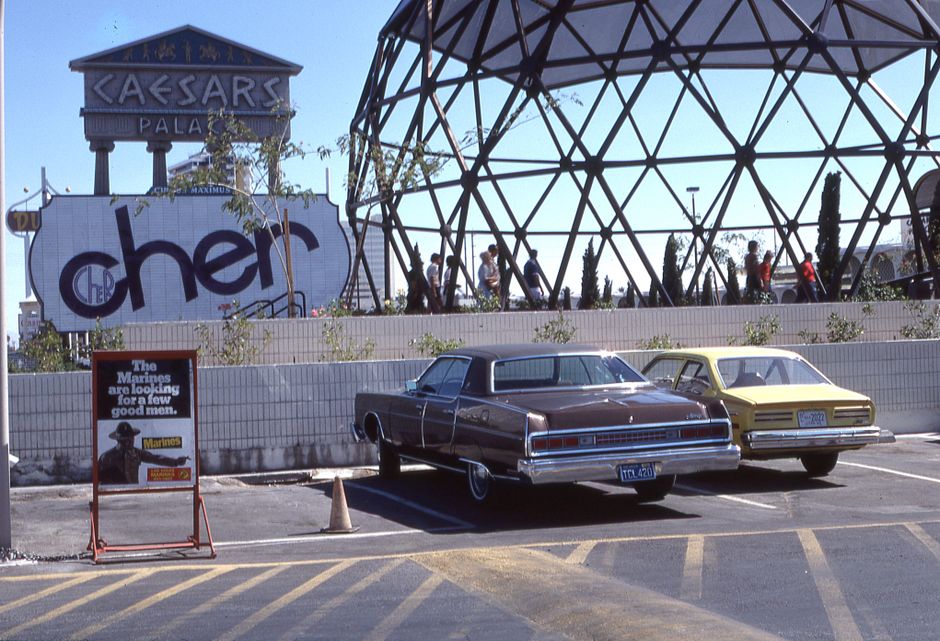
After World War II, Las Vegas was poised for explosive growth, ushering in a new era of resorts along the Strip. The Sands, opening in 1952 near the corner of Las Vegas Boulevard and Sands Avenue, quickly distinguished itself. It emerged during the heyday bars bells sevens meaning often chronicled by Fifties Web, documenting the mid-century transformation of American leisure culture. The Sands was more than just a place to gamble—it was a destination for show-stopping entertainment and nightlife.
Its architecture was designed to captivate and delight. The Sands’ iconic neon signage stood out in a desert landscape that was rapidly filling with dazzling light displays. These eye-catching signs were crucial in the days before digital advertising, creating an instantly recognizable brand that drew visitors from across the country. The hotel itself featured sleek mid-century modern design elements that brought a fresh aesthetic to the Strip.
The All-In-One Entertainment Ecosystem
Unlike modern Las Vegas resorts characterized by sprawling malls and theme parks, the Sands was a compact, cohesive entertainment ecosystem. Guests didn’t just stay in a room—they experienced a carefully curated blend of luxury accommodations, gaming, dining, and entertainment without needing to leave the property.
- Showrooms: The Sands' showroom was legendary, hosting performances by Frank Sinatra, Dean Martin, and other members of the Rat Pack. Production Shows: Lavish stage productions choreographed to wow audiences, drawing repeat visitors and cementing the Sands' reputation as the entertainment capital of the Strip. Gaming: The casino floor was an integral part of the experience, but it often took a back seat to the musical and variety acts that attracted crowds.
This approach helped the Sands distinguish itself from other resorts that relied primarily on gambling revenue. The entertainment-driven model created a vibrant social scene that defined the glamour of Las Vegas in the 1950s and 1960s. For a glimpse into the era's culture, Smithsonian (si.edu) archives include detailed exhibits on the development of Las Vegas resorts and their cultural impact.
Common Misconceptions About the Sands Experience
One frequent error in popular stories about the Sands involves the details of ticket prices, room rates, and show schedules. Sources often claim these specifics when, in reality, no definitive records of prices or exact schedules have been frequently published or survived. This makes sense given the period; many resort experiences were fluid and promoted through word of mouth or press releases rather than strict timetables.
Attempts to pin down exact show times or ticket rates for acts at the Sands often lead to confusion or misinformation. Tourists and historians alike should understand that such data is rarely precise and generally wasn’t rigid in the manner one might expect today.
The Sands' Closure and Demolition: Sands Imploded 1996
By the early 1990s, the Sands struggled to keep pace with the rapidly evolving Las Vegas landscape. The new waves of mega-resorts with larger footprints and diversified attractions began to draw crowds away from traditional entertainment venues like the Sands. The decision was made to close the hotel in 1996.
On June 30, 1996, the Sands was imploded in a highly publicized demolition event, known in Las Vegas lore as the "Sands Imploded 1996." The implosion symbolized the end of an era. It made way for new developments intended to bring the Strip into the 21st century.
The Rise of the Venetian
On the site where the Sands once stood, The Venetian was built, debuting in 1999. Its design and scope reflected changing consumer expectations in Las Vegas. The Venetian embraced themed environments—complete with gondolas and meticulously recreated canals—which marked a shift towards immersive experiences rather than just gambling and stage shows.
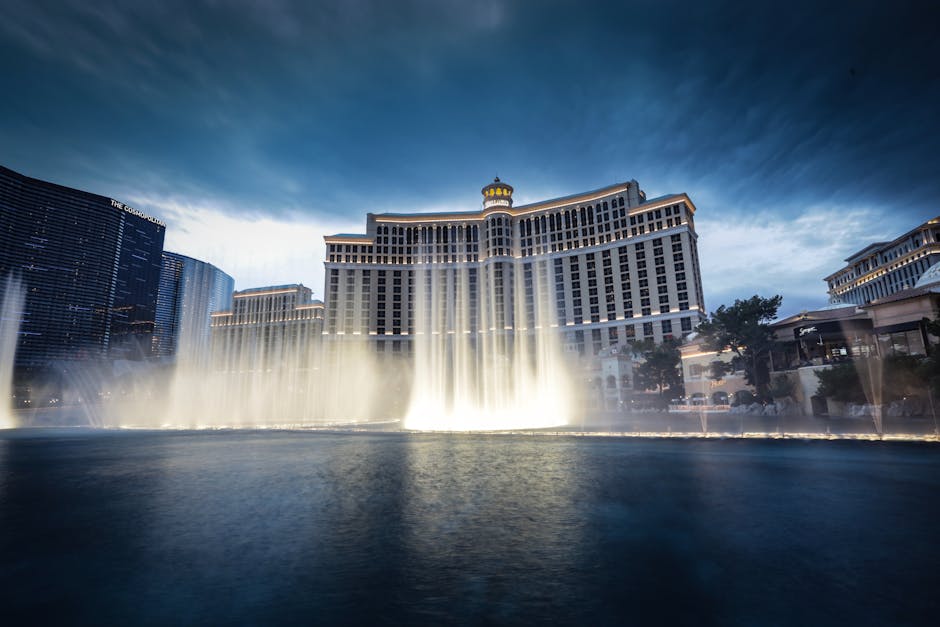
The Venetian’s arrival typified a new chapter in Las Vegas resort design, one that favored grandiosity and diverse entertainment options. This shift has continued to shape the city’s tourism and nightlife economy.
The Sands Hotel Legacy in the Digital and Gaming Era
You ever wonder why today, the sands holds a nostalgic place in the hearts of classic las vegas enthusiasts and the broader cultural memory of the postwar period. Websites like MrQ casino occasionally feature retrospective content, celebrating the showmanship and history of venues like the Sands.
Though the hotel no longer stands, its influence is evident in the ongoing emphasis on entertainment as a key component of casino resorts. The Sands helped pioneer the concept that a Las Vegas stay should be a holistic experience, blending gambling with top-tier entertainment and amenities.
Conclusion
the the Sands Hotel was a landmark of mid-century Las Vegas, emerging from the postwar resort boom with its iconic neon signage, all-in-one entertainment model, and world-class showroom productions. It thrived during the 1950s and 1960s but eventually closed and was imploded in 1996. The Venetian rose from its ashes, signaling a new direction for the Strip’s development.
While some details about the Sands—like ticket prices and exact show schedules—remain elusive, its role in shaping the Las Vegas we know today is clear. The Sands wasn’t just a hotel; it was the blueprint for the modern casino resort entertainment complex.