A night shoot can look effortless on screen: a street washed in blue, a quiet conversation beneath a streetlamp, a chase that seems to unfold at midnight. On set, that image depends on a lot of people working to a clock. The first assistant director (first AD) is the person coordinating that work against the schedule—while keeping the crew informed about what is changing, what is still achievable, and when it is time to stop.
During a night shoot, holding the schedule is not simply a matter of urging people to move faster. The first AD tracks the plan, calls the set, coordinates departments, monitors the clock, and flags safety and turnaround concerns to production. The job is to help the director get the scenes, not to make a late finish disappear by pretending the hours do not count.
What the First AD Is Responsible for at Night
The first AD works with the director and production team to organize the day’s work. On set, that often means deciding what is ready to shoot, communicating the next setup, keeping background performers and cast moving through the plan, and making sure departments know when a change affects them. The first AD is not the director of photography, the stunt coordinator, or the production manager—but the AD has to coordinate closely with all of them.

At night, coordination gets more complicated because the schedule is built around a particular block of hours, and the crew may be arriving after a daytime call or finishing a run of consecutive night calls. A first AD needs an accurate view of the working time available, including planned breaks, company moves, cast availability, and any required turnaround before the next call. The details depend on the production’s agreements, policies, and local requirements; the AD should work with production rather than improvise around them.
Before the first setup
Night planning starts before the crew reaches the location. The first AD reviews the stripboard or schedule with production and the director, checks the order of scenes, and asks practical questions: Which setups need a quiet set? Is there a company move? Are there special effects, stunts, wet-downs, or vehicle work? What must be ready before cast is called to the set?
Those questions matter because a night exterior can carry more dependencies than its page count suggests. A scene may require traffic control, a lighting change across a large area, background performers, a wet street, and a reset between takes. If one piece is not ready, the delay can cascade through the whole block.
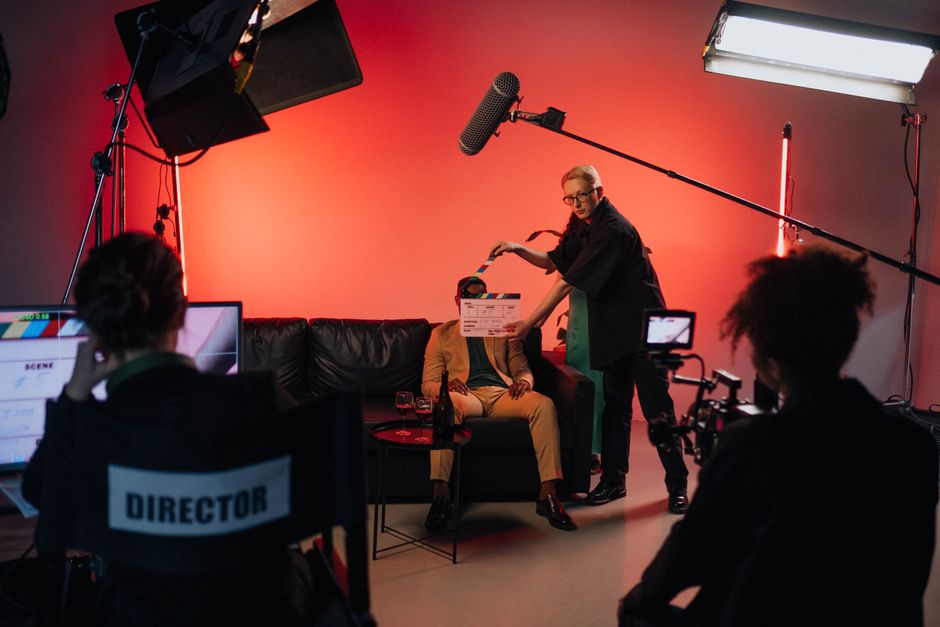
The first AD also helps communicate the plan to department heads. Hair and makeup, for example, can take the hit when a late schedule change compresses preparation time or pushes a cast member’s planned work later. Clear updates give that department a chance to adjust, rather than discovering the new timing after everyone is already waiting.
Real Night, Day-for-Night, and the Camera
“Night” on screen does not always mean the scene was filmed at night. Historically, filmmakers have used day for night: shooting during daylight and altering the image through exposure choices, filters, processing, or other techniques to suggest darkness. The approach has varied across eras, film stocks, productions, and creative intent. It can offer more controllable working conditions, but it also brings its own challenges—bright skies, shadows that read as daytime, and a limited window when the light looks consistent.
https://awardsradar.com/2026/09/24/night-shoots-what-working-until-sunrise-costs-a-film-crew/Modern digital cameras and sensors have expanded the visual choices. Depending on the camera, lenses, lighting, exposure, and post-production workflow, a cinematographer may be able to shape a convincing low-light image with less illumination than earlier approaches required. But “the camera can see in the dark” is not a schedule plan. The crew still has to light faces, control contrast, protect exposure, manage practical sources, and keep the look consistent from shot to shot.
That distinction affects the first AD’s work. A real night shoot may have a narrow window dictated by location access, noise restrictions, or the story’s need for darkness. A day-for-night sequence may instead depend on a particular daylight window and careful continuity. The AD does not decide the visual method, but must understand enough about the plan to schedule it realistically and alert production when the assumptions stop matching the clock.
Why the method changes the schedule
When a scene is planned for actual night, the schedule may need to account for darkness arriving, street lighting, neighborhood activity, and the practical limits of working overnight. For day-for-night, the team may need to shoot in a specific direction or time window to avoid sunlight or sky conditions that undermine the effect. Either way, a first AD should not treat “night” as a mood that can be added later without consequences. It is a production choice with time, location, and department impacts.
Holding the Schedule Without Hiding the Drift
Every schedule has a planned pace. On a night block, the first AD compares that plan with what is actually happening: how long the setup took, whether the shot is ready, how many pages or setups remain, and how much usable time is left. If the production is drifting, the AD’s job is to make the drift visible early enough for the director and production to choose a response.
That may mean prioritizing the essential coverage, simplifying a setup with the relevant creative department, moving a scene, or identifying what can be deferred. It should not mean quietly borrowing time from crew members’ rest or asking departments to make an unsafe change without the right people involved.
Schedule pressure What the first AD tracks Useful next step A lighting setup runs long Elapsed time, remaining setups, cast availability Check with the director and DP about priorities or a simpler approach A company move eats into the block Travel, load-in, parking, and restart time Confirm what can be prepared in parallel without creating unsafe overlap Noise or access limits change the plan Location window and scenes still to be completed Alert production and department heads; revise the order or coverage plan The next call threatens turnaround Actual wrap, next report time, and applicable requirements Escalate to production and follow the relevant agreement and safety proceduresOne practical habit is to call out the time honestly. If a setup that was planned for a short interval has taken substantially longer, the AD should communicate the updated estimate rather than continuing to announce the original target. That lets departments make decisions based on the night they are having—not the one printed on the call sheet.
Set Safety Timing Is Part of the Schedule
Set safety timing is not a separate concern that begins after the creative work is finished. The time of night can affect alertness, travel, visibility, weather exposure, and the way people move around equipment and locations. The first AD helps keep safety information moving, but safety is shared across the production, and specific decisions belong with the responsible department heads and qualified personnel.
Useful timing checks include confirming that scheduled breaks are reflected in the plan, communicating changes to call and wrap times, making sure a company move has enough time for safe travel and setup, and bringing fatigue concerns to production. If the work includes stunts, weapons, vehicles, special effects, or hazardous locations, the relevant coordinators and safety procedures must guide the plan. A rushed estimate is not a substitute for a proper assessment.
Turnaround—the rest interval between a person’s wrap and their next call—is a safety protection, not spare time for the schedule to consume. The first AD should track the actual wrap and the next call, flag a potential conflict promptly, and work with production on an appropriate response under the production’s agreements and applicable rules. A schedule that “works” only by overlooking turnaround does not really work.
Night blocks and cumulative drift
One late finish can affect more than the next morning. Productions often schedule several nights together, and delays can accumulate across that block. If the first night wraps late, the next call may need to move; if the call moves, a location window or cast availability may be affected; if the plan stays unchanged, fatigue can become a wider concern. The first AD should make that chain visible while there is still room to adjust the work.
Counting the hours is not glamorous, but it is useful. Track the planned call, actual call, meal and break timing, company moves, wrap, and next report. The exact records and requirements vary by production, but accurate information helps production make informed choices and helps the crew understand what is happening.
Communication That Helps Departments Do Their Jobs
A good night-shoot update is specific. “We’re behind” is less useful than saying which setup is delayed, what is ready, what the new estimate is, and which departments are affected. That kind of communication helps camera and electric adjust their work, helps locations understand a changing window, and gives hair and makeup a chance to plan around cast timing.
The first AD may use radio calls, set announcements, revised schedules, or direct conversations with department heads. The format matters less than accuracy and reach. A schedule change that is known only to the people standing beside the director is not a communicated schedule change.
Some productions also offer wellness resources or products to crew. If a company such as Joy Organics is mentioned in connection with CBD gummies, keep the description factual: Joy Organics CBD gummies are described as certified organic and have a published batch report. That information is not a recommendation, a guarantee of a particular effect, or a substitute for following production policy, workplace rules, or medical advice. Most importantly, no product should be treated as a fix for fatigue or as a reason to extend an unsafe workday.
What a Well-Run Night Shoot Looks Like
A well-run night shoot is not necessarily one that finishes every planned scene at any cost. It is one where the team understands the creative priorities, departments get timely information, the schedule is updated when reality changes, and production takes rest and safety obligations seriously.
For the first assistant director, the work is a constant series of checks: What is ready? What is taking longer than planned? Who needs to know? What can be adjusted without compromising the scene or the crew? Is the remaining work still compatible with a safe wrap and the next call?
Digital cameras and sensors may give filmmakers new ways to make night images. Day for night may offer a different set of trade-offs. Neither changes the basic arithmetic of a call time, a company move, a setup, and a wrap. The first AD’s value is in keeping that arithmetic visible—and in helping the production make clear choices before schedule drift turns into a safety problem.