If you find yourself standing in the kitchen at 7:30 PM, the dishwasher half-loaded, eyes glazed over while scrolling through TikTok for the tenth time, you aren’t a bad parent. You’re just exhausted. For the last eight years, I’ve been in the trenches of the "second shift"—that chaotic, loud, and messy stretch between dinner and bedtime. And I know exactly why you’re reaching for that screen.
The modern parent is carrying a mental load that would have crushed our ancestors. Between grocery orders, school emails, social obligations, and the persistent "ping" of Instagram notifications, our brains are in a constant state of hyper-connectivity. We use our phones as a buffer because, frankly, the transition from "employee" to "parent" is abrupt, and we crave a quiet place to hide. But when that buffer becomes a wall between us and our kids, it’s time to rethink the habit.
This isn't about "being mindful" or "cherishing every moment." Let’s be real: some moments aren’t worth cherishing (looking at you, tantrum over the wrong color cup). This is about reclaiming your own evening so you can actually recover, instead of just numbing out.
Why We Reach for the Phone (And Why You Shouldn't Feel Guilty)
Digital fatigue is a physiological reality. After eight hours of professional communication, our bandwidth for emotional regulation is paper-thin. When you walk into your living room, your kids might want to play, talk, or jump on you, but your battery is flashing red. The phone offers a "quick hit" of dopamine—a distraction that requires zero emotional heavy lifting. It’s a recovery tool, but it’s a shitty one, because it doesn't actually help you recover; it just delays the inevitable burnout.
We need to stop shaming ourselves for needing a break. You don't need a miracle supplement or a fancy wellness retreat to fix this. You need structural changes to your environment that make it harder to scroll and easier to engage.
The 10-Minute Evening Reset
I am a massive proponent of the "10-minute version." If you try to commit to "no phone all evening," you will fail, get frustrated, and then scroll even harder out of guilt. Instead, commit to a 10-minute transition period.
When you get home or finish dinner, set a timer for 10 minutes. During those 10 minutes, your phone is strictly "in the box" (or on the charger in another room). Do the chaotic chores, talk to the kids, or just stare at the wall. Once the timer dings, you are allowed to check your phone for 10 minutes. By building a fence around your scrolling, you regain agency. You aren't *at the mercy* of the screen; you are scheduling it.
The "If-Then" Plan for Evening Chaos
Decision fatigue is real. When your brain is tired, it picks the easiest path (scrolling). Use these if-then plans to automate your behavior:
- If I feel the urge to check Instagram while the kids are playing, then I will pick up a book or start a 5-minute tidy-up. If the kids ask me to play but I feel "tapped out," then I will set a 10-minute play timer on the oven clock. If I feel a surge of irritability, then I will step into the hallway for two deep breaths before checking my phone.
Phone Tweaks: The Anti-Distraction Setup
Don't buy a "dumb phone." Don't buy an expensive locking box. Your phone is a tool, but currently, it’s a tool that’s configured to bully you. Tweak these settings tonight:
Grayscale Mode: Go into your accessibility settings and turn your screen to grayscale. Suddenly, that TikTok feed looks like a boring newspaper. It removes the "reward" center stimulation. The "Charging Station" Rule: Put a charging cable in a room the kids frequent, but *not* on the couch or in your bedroom. If you want to check your phone, you have to stand up and go to that station. Standing is a physical deterrent to "doom-scrolling." Notification Purge: If it’s not a text from a human being you actually like, turn off the notification. No news alerts, no shopping apps, no "we miss you" social media pings.Managing the Mental Load and Patience
Sometimes, we aren't just scrolling; we’re trying to solve the stress of the day. If you find your anxiety levels are consistently high, don't ignore it. The NHS provides excellent resources on managing stress and understanding burnout if you feel like you’re constantly "on edge."
For those dealing with chronic stress or pain that makes playing on the floor feel impossible, it’s worth looking at professional support rather than just popping a pill or an herbal remedy you saw on a sponsored post. Clinics like Releaf, the UK’s largest premiumjoy.com medical cannabis clinic, emphasize that treatment should be evidence-based and professionally managed, rather than a "miracle fix." Always talk to a GP before assuming a supplement or trend is the answer to your lack of patience.
Replacing the Scroll with Connection
The best way to stop being on your phone is to have something else to do with your hands. If you’re at a loss, don't overthink it. You don't need a perfectly curated Montessori room. Companies like Premium Joy offer simple, open-ended play materials that keep kids occupied without needing you to act as a 24/7 cruise director.
When I’m feeling the itch to grab my phone, I look for a "low-effort, high-engagement" activity. I might toss a few blocks or a simple puzzle on the table. It changes the dynamic from "Parent vs. Phone" to "Family vs. Boredom."
Daily Habits Comparison Table
Habit The "Default" Way The 10-Minute Reset Way Post-Dinner Collapsed on sofa, scrolling social media. 10-minute kitchen tidy with kids, then 10 minutes of scheduled phone time. Dealing with Tantrums Phone out to block out the noise. Phone in the "charging station," sit nearby for emotional support. Bedtime Prep Distracted scrolling while kids get dressed. Phone off until the house is quiet and kids are tucked in.Final Thoughts: Progress, Not Perfection
Look, I still check my phone during the evening. I’m human. But I’ve moved from being a slave to the notifications to being the person in control. When you remove the color from your screen and move the charger out of the "lounge zone," you’ll notice a shift in your patience levels. You’ll be less reactive, not because you’re suddenly "mindful," but because you aren't being interrupted by 50 digital dings every hour.

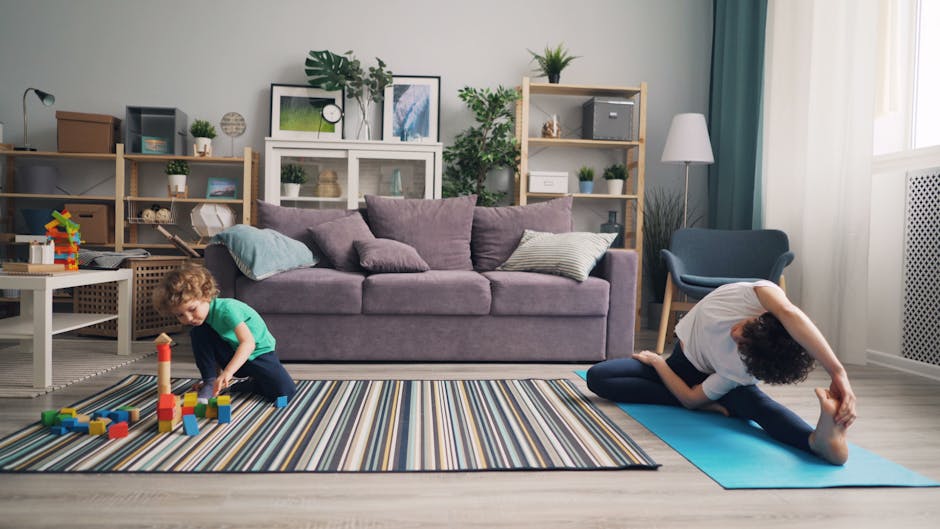
Start small. Just pick one tweak—like the Grayscale setting—and see what happens tonight. Your brain will thank you, and your kids might actually notice you’re present, even if you’re just sitting there watching them build a wobbly tower of blocks.
You’re doing enough. Now, go put that phone in the other room for ten minutes and see how it feels to just sit with the quiet.